

Retaining walls are one of those things most homeowners don’t think about—until something feels off.
Maybe the yard looks different after every rainy season. A slope seems steeper than it used to. Soil keeps washing into places it shouldn’t. Or an old wall looks like it’s slowly leaning forward, even though no one touched it.
That’s usually when the question comes up:
Do I need a retaining wall, or is this just normal wear and tear?
In Oregon, that question comes up more often than people realize, and the answer isn’t always obvious at first glance.
Why Retaining Walls Exist in the First Place
Retaining walls aren’t decorative by nature. Their real job is structural.
They are designed to:
- Hold back soil on sloped properties
- Control erosion
- Manage changes in elevation
- Protect usable yard space and nearby structures
In areas with consistent rainfall and shifting soil—like much of Oregon—retaining walls often become a necessary solution, not a luxury.
Signs You May Need a Retaining Wall
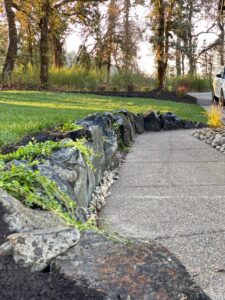
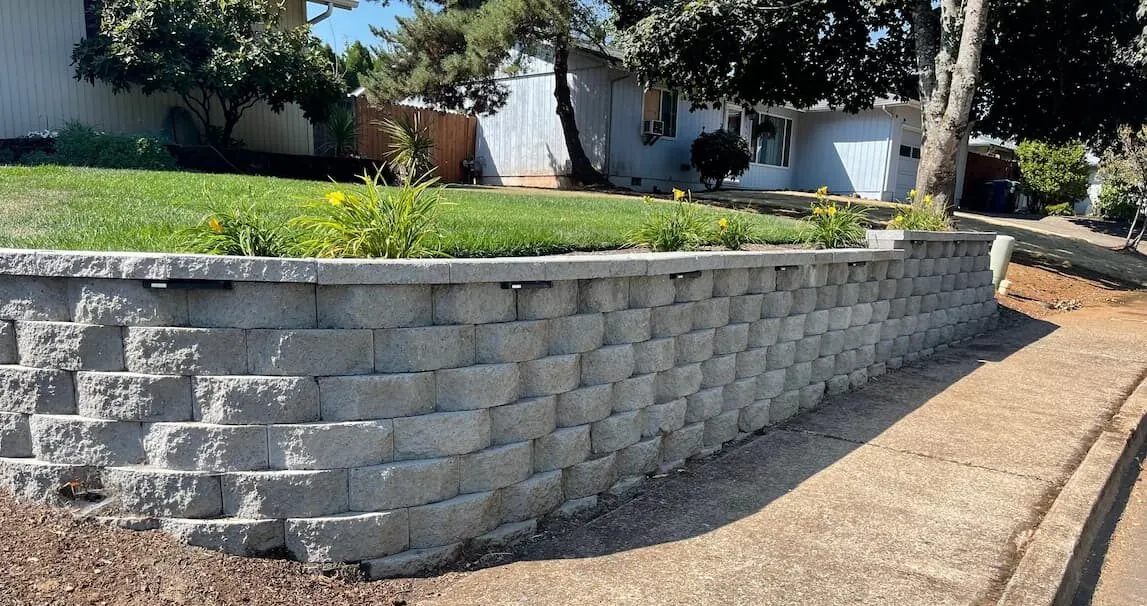
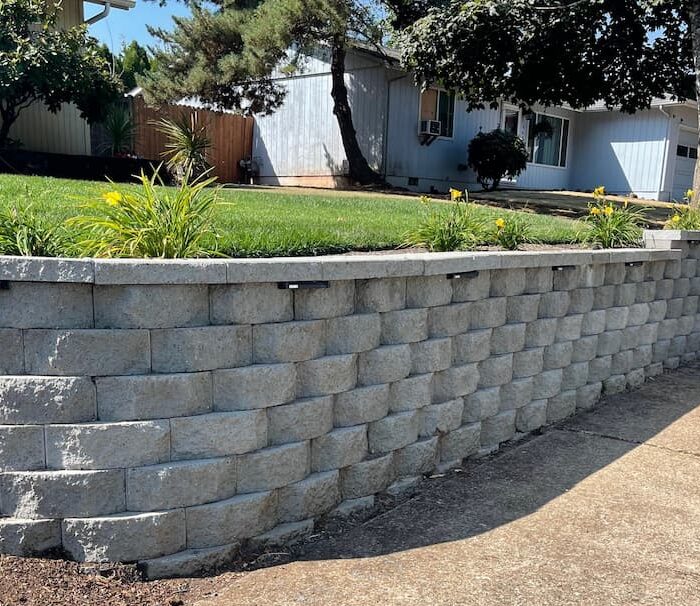
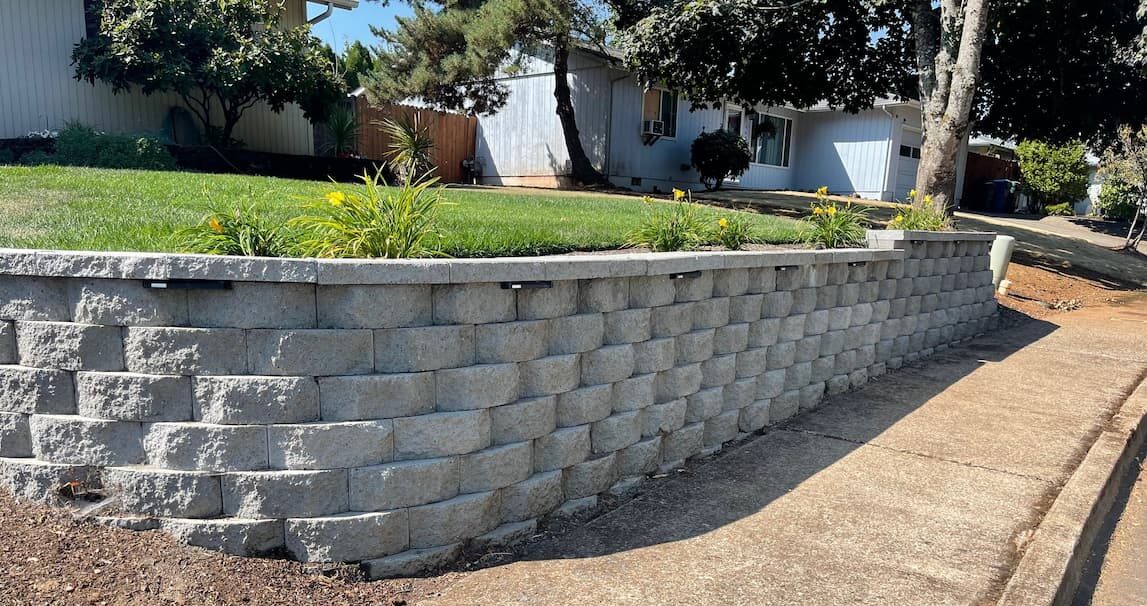
Retaining wall installation in Oregon
Many homeowners don’t notice the early signs because they develop gradually. Some of the most common indicators include persistent soil movement, changes in slope, or visible stress in the landscape.
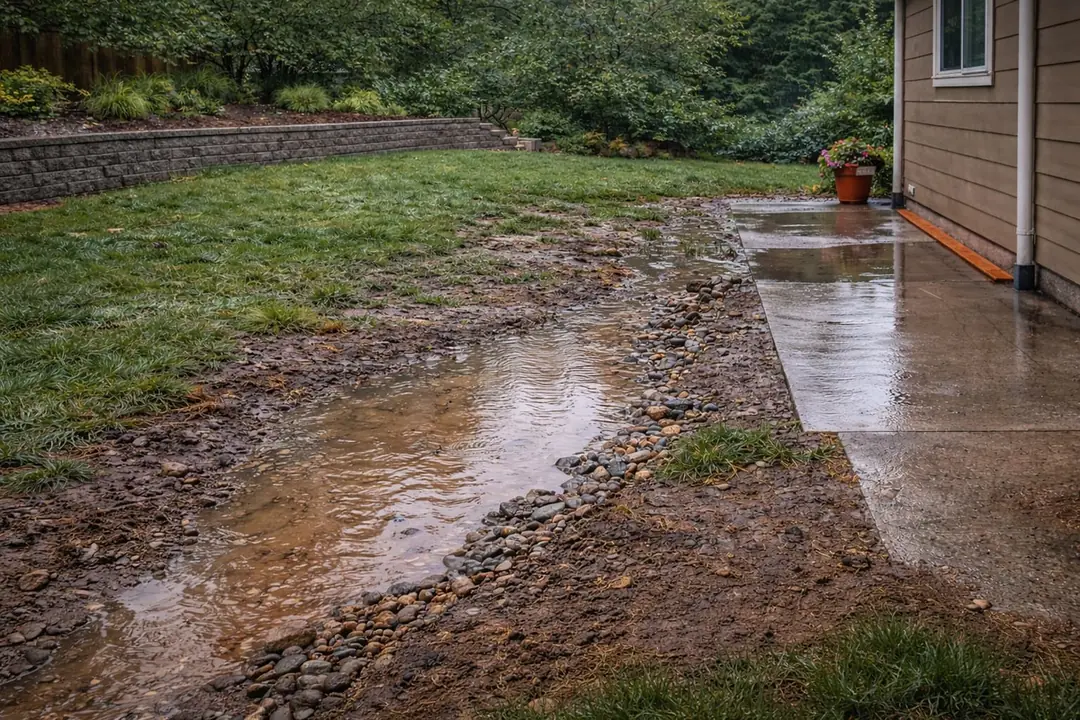
If you’re seeing soil washing downhill after rain, areas of your yard slowly sinking or shifting, or exposed roots and uneven ground near slopes, your yard may be telling you it needs support.
Another clear sign is when an existing retaining wall starts to lean, crack, or separate. That usually means the wall is no longer doing its job safely.
When Slopes Become a Structural Concern
Not every sloped yard needs a retaining wall. Gentle slopes with stable soil and good drainage can often remain as they are.
Problems arise when:
- The slope is steep enough that soil won’t stay in place
- Water accelerates erosion during rainy months
- Landscaping or structures sit too close to the slope
- The slope changes over time rather than staying stable
In these situations, gravity and water work together, and without proper reinforcement, the landscape slowly loses its shape and stability.
How Drainage and Retaining Walls Are Connected
This is a point many homeowners don’t realize until later.
Water pressure is one of the biggest forces acting on soil. When drainage isn’t managed correctly, water builds up behind slopes or walls, increasing pressure and accelerating failure.
That’s why a properly designed retaining wall isn’t just about blocks or materials—it also includes drainage planning behind and around the wall. Without that, even a new wall can fail prematurely.
Repair vs. Replacement: Knowing the Difference
Not all retaining wall issues require a full replacement.
Minor cosmetic damage or small settling issues can sometimes be repaired. However, widespread leaning, cracking, or movement usually indicates deeper problems with drainage, soil pressure, or original construction.
In those cases, repairing the surface alone won’t solve the issue long term.
Understanding this distinction early can prevent repeated fixes and unnecessary expense.
When It Makes Sense to Bring in a Professional
A professional evaluation is usually the right move when:
- The slope continues to change year after year
- Water pools near the base of a slope or wall
- The wall supports a large amount of soil
- The area is close to a home, driveway, or structure
- You’re planning future landscaping or construction
At that stage, the focus shifts from appearance to long-term safety and stability.
Final Thoughts: Listening to the Signs Before They Get Worse
Retaining wall issues rarely appear overnight. They develop slowly, often giving homeowners time to address them before they become major problems.
Recognizing the signs early—soil movement, slope changes, wall stress—allows you to plan proactively instead of reacting after damage has already occurred.
In Oregon’s climate, where water and soil movement are constant factors, retaining walls play an important role in protecting both the landscape and the property itself.
Not sure if your yard needs a retaining wall or another solution?
A professional assessment can clarify whether the issue is cosmetic, structural, or drainage-related—helping you make the right decision before small problems grow larger.