


It usually starts small.
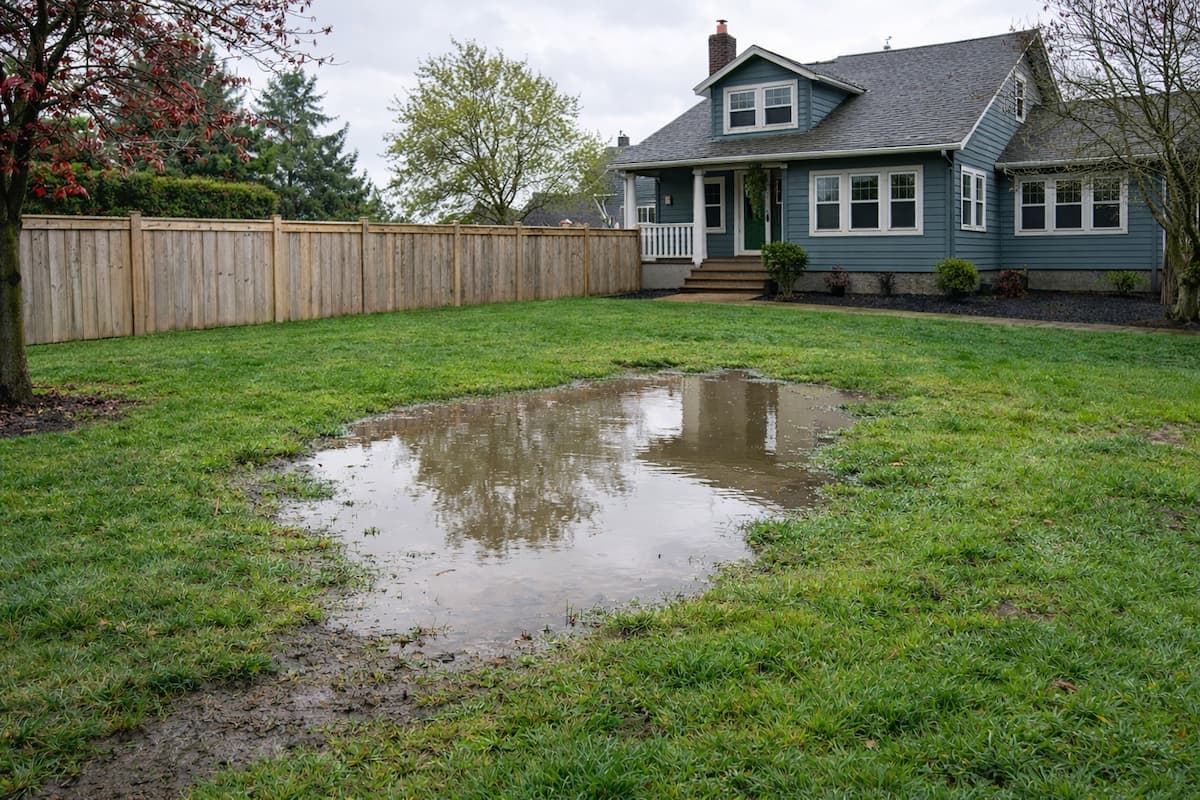
After a heavy Oregon rain, you notice water pooling where it never used to. One section of the lawn feels softer under your feet. Grass struggles to grow evenly, and over time, the yard just doesn’t look—or feel—level anymore.
At some point, the question becomes unavoidable:
How do I level my yard, and why does this keep happening?
The short answer is that leveling a yard can be simple in some cases and surprisingly complex in others. The key is understanding what’s causing the problem before you try to fix it.
Why Yards Become Uneven in the First Place
Most uneven yards aren’t the result of poor maintenance. They’re the result of time, weather, and how water moves across your property.
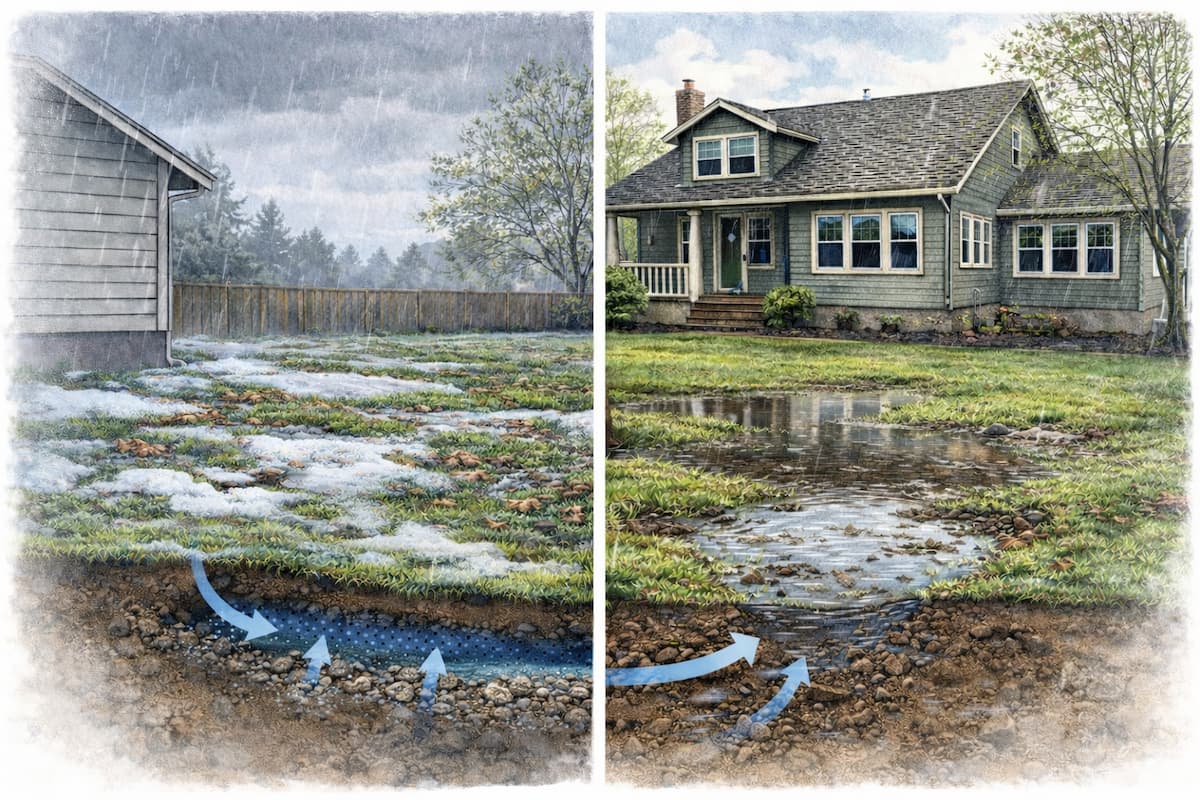
In Oregon, rainfall plays a major role. Saturated soil expands, shifts, and eventually settles in new ways. Over time, this can create low spots, subtle slopes, or uneven areas that weren’t there before.
Other common causes include natural soil settling, erosion on sloped properties, and drainage issues that slowly reshape the ground. Even well-built yards can change as the landscape responds to moisture and gravity.
Understanding this is important, because leveling the surface alone doesn’t always solve the underlying issue.
Can You Level a Yard Yourself? A Realistic Look at DIY
For many homeowners, DIY yard leveling is absolutely possible—but only in the right situations.
If you’re dealing with minor uneven areas, such as small low spots in the lawn or shallow depressions that don’t involve water pooling, a do-it-yourself approach can work. These projects are usually cosmetic and manageable with basic tools and materials.
Where DIY often runs into trouble is when the issue involves slope, drainage, or recurring soil movement. Many online guides focus on what to add on top of the soil, but skip over what’s happening underneath it.
That’s why some homeowners find themselves repeating the same fix year after year.
How Yard Leveling Works for Small, Minor Areas
When the issue is limited, leveling typically involves identifying low spots, adding the appropriate soil mix, and compacting it properly so it doesn’t settle again too quickly.
Done correctly, this can improve the look and usability of your yard. However, it’s important to understand that this approach works best when water flow and soil stability are already under control.
If those factors aren’t addressed, even a well-leveled surface can shift again after the next wet season.
Why Drainage Is the Part Most DIY Guides Miss
This is where many yard leveling projects fail—especially in the Pacific Northwest.
Water always follows the path of least resistance. If your yard doesn’t have proper drainage, water will continue to move soil, no matter how carefully you level it. Over time, that movement recreates the same uneven areas you tried to fix.
In Oregon’s climate, drainage is often more important than leveling itself. Addressing how water enters, moves across, and exits your yard is what determines whether the solution lasts months or years.
This is also why some yards require grading or drainage improvements rather than simple surface fixes.
When Yard Leveling Becomes a Grading or Structural Issue
Not all uneven yards are created equal.
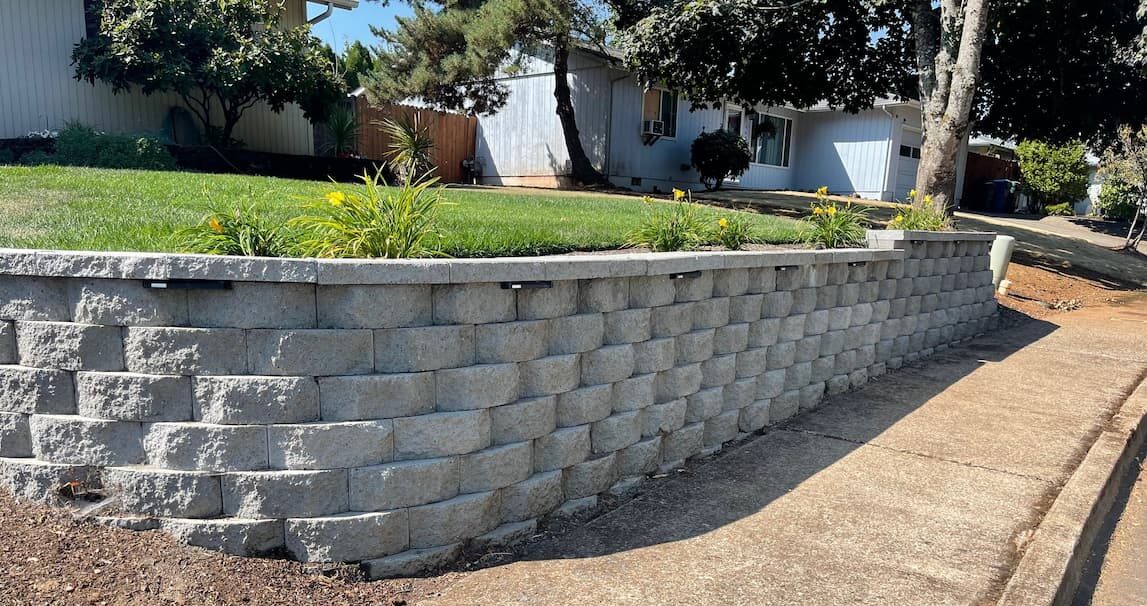
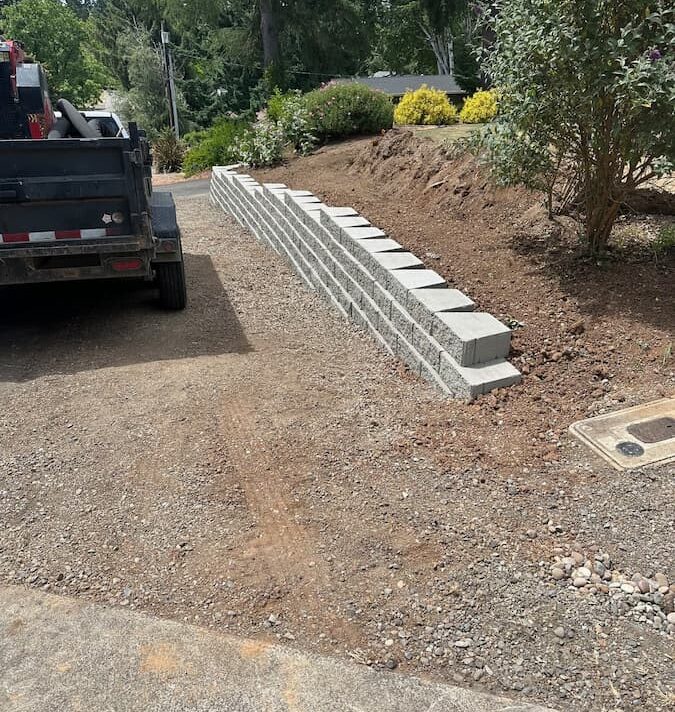
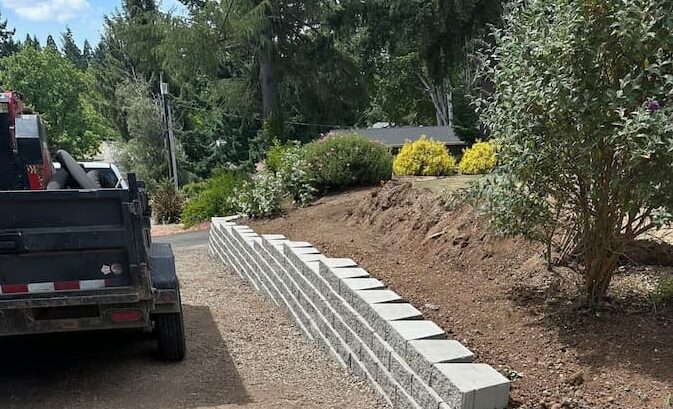
If your property has noticeable slopes, erosion near the foundation, or repeated water pooling, leveling becomes more than a cosmetic project. At that point, the issue may involve grading, erosion control, or even retaining structures designed to stabilize the landscape.
These situations require a broader view of the property, including how changes in one area affect everything else. Fixing one section without considering the whole system can create new problems elsewhere.
When It Makes Sense to Call a Professional
Hiring a professional often makes sense when the yard issue keeps coming back, implies drainage problems, or affects larger areas of the property.
It’s also a smart move if you’re planning future landscaping, hardscaping, or construction. Getting the grading and water management right from the start helps protect those investments and prevents costly rework later.
A professional approach focuses on long-term stability, not just surface appearance.
Final Thoughts: Leveling Your Yard for Long-Term Results
Leveling a yard isn’t just about making it look flat. It’s about creating a surface that stays stable through Oregon’s wet seasons and changing soil conditions.
For small imperfections, DIY solutions can work well. But for anything involving water, slope, or repeated settling, the most effective solution often starts below the surface.
Understanding that difference can save time, effort, and frustration—and help you make the right choice for your property.
Thinking about leveling your yard but unsure what’s really needed?
A professional evaluation can clarify whether a simple fix will hold—or if addressing drainage and grading now will prevent bigger problems later.