

 Many sprinkler problems stay hidden until the system starts running regularly.
During spring, homeowners have a valuable window of time to inspect, repair, or upgrade their irrigation system before peak summer watering begins.
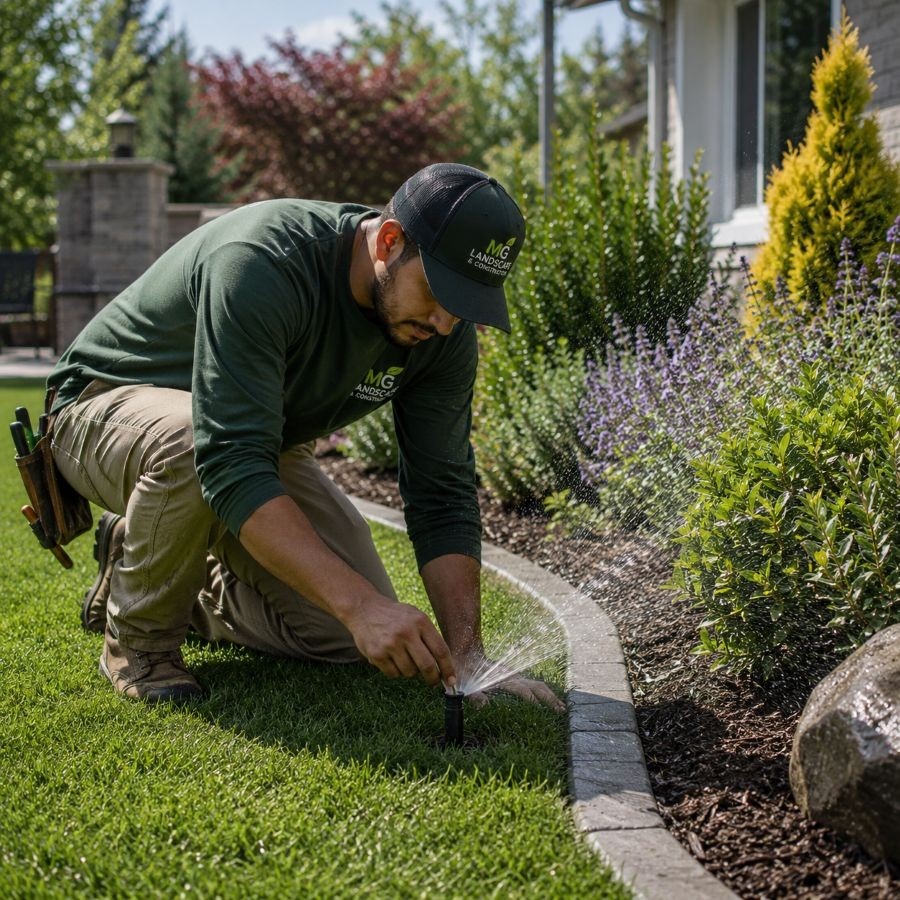
A spring sprinkler check can help you:
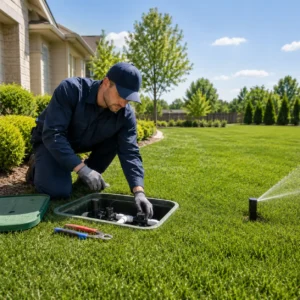
- Find broken sprinkler heads
- Fix leaks before they waste water
- Improve dry or patchy lawn areas
- Adjust spray patterns
- Reduce overspray onto sidewalks and driveways
- Prepare planting beds for warmer weather
- Protect new landscaping investments
- Avoid emergency repairs during summer
Waiting until July or August can make the problem more visible, but also more stressful. By then, your lawn may already be showing signs of damage.
1. Dry Spots in the Lawn
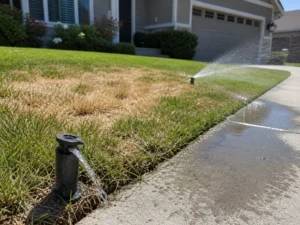
One of the most common signs of sprinkler system problems is uneven lawn color.
If parts of your yard stay green while other areas turn yellow, brown, or weak, your sprinkler system may not be covering the lawn evenly.
Dry spots can be caused by:
- Misaligned sprinkler heads
- Low water pressure
- Clogged nozzles
- Poor sprinkler spacing
- Broken underground lines
- Incorrect watering schedules
- Sun exposure differences
Sometimes the issue is not that the yard needs more water overall. It may simply need better coverage.
That is important because increasing the watering time for the entire system can waste water while still failing to fix the dry area.
A professional sprinkler inspection can help identify whether the issue is coverage, pressure, scheduling, or damage.
2. Soggy Areas or Standing Water
Too much water can be just as damaging as too little water.
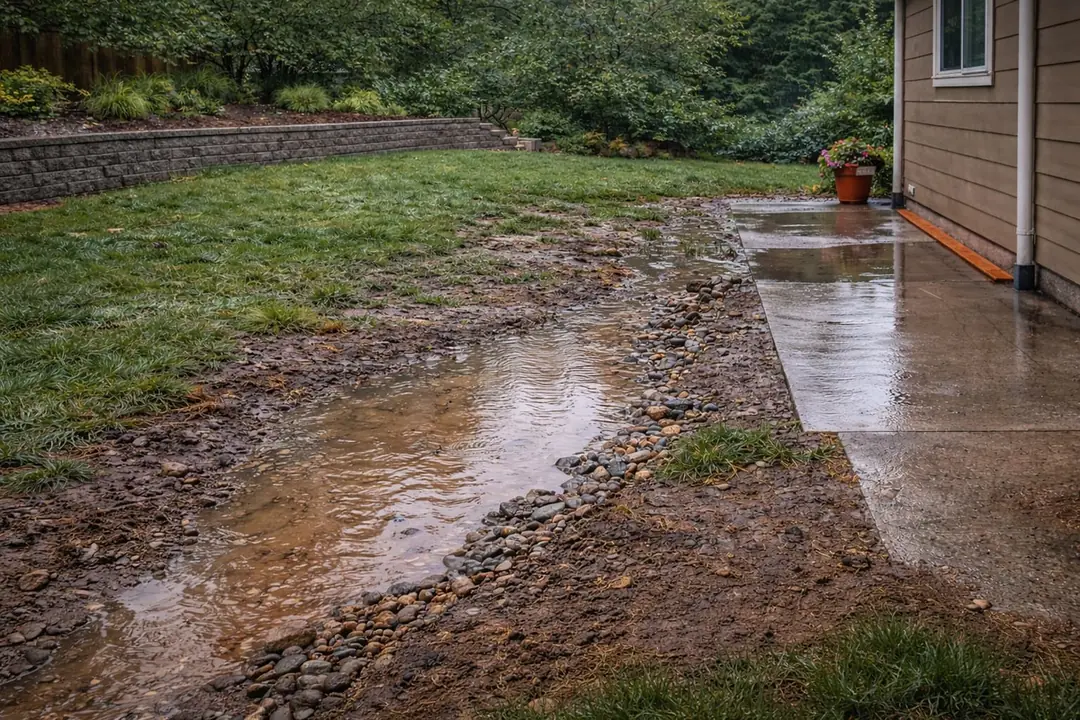
If you notice soggy spots, puddles, soft ground, or areas that stay wet long after the sprinklers run, your system may have a leak, broken line, damaged valve, or poor drainage pattern.
Possible causes include:
- Cracked irrigation lines
- Broken sprinkler heads
- Leaking valves
- Sprinklers running too long
- Poor zone control
- Soil that cannot absorb water quickly enough
Oregon State University Extension recommends using a rain gauge to understand how much water your irrigation system is applying and adjusting the watering duration accordingly. For maintaining a lush lawn during the dry season, OSU suggests about 1 to 1.5 inches of water per week, depending on conditions and soil type.
The goal is not simply to water more. The goal is to water correctly.
3. Sprinklers Spraying Sidewalks, Driveways, or Fences
If your sprinkler system is watering concrete, fences, streets, or the side of your home, it is not working efficiently.
Overspray is common when sprinkler heads are:
- Tilted
- Damaged
- Installed in the wrong location
- Using the wrong nozzle type
- Blocked by plants or lawn growth
- Set with incorrect spray patterns
This may seem like a small issue, but over time, overspray can waste a significant amount of water and leave the actual lawn under-watered.
A good sprinkler system should direct water where it is needed: lawn areas, planting beds, trees, and landscape zones.
Adjusting sprinkler heads, replacing nozzles, or redesigning zones can often improve system performance without requiring a full replacement.
4. Low Water Pressure or Weak Sprinkler Spray
Weak sprinkler spray is another sign that your irrigation system may need attention.
If sprinkler heads barely pop up, spray unevenly, or fail to reach the intended area, the system may have a pressure issue.
Common causes include:
- Leaks in the irrigation line
- Too many heads on one zone
- Clogged filters or nozzles
- Valve problems
- Damaged pipes
- Poor original system design
Low pressure can make it look like your lawn needs more watering time, but longer watering cycles will not solve the real issue if the system cannot deliver water properly.
This is where working with an irrigation contractor can help. A professional can inspect the system, identify pressure problems, and recommend practical repairs or improvements.
5. Your Sprinkler Schedule Has Not Been Updated
Many homeowners set their sprinkler timer once and forget about it.
But watering needs change throughout the year.
A schedule that worked in late spring may not be right for July. A schedule that worked for an older landscape may not be right after new plants, turf, or hardscape areas are installed.
Your sprinkler schedule may need adjustment based on:
- Weather
- Soil type
- Sun exposure
- Lawn condition
- New planting areas
- Shade patterns
- Slope or runoff
- Local watering needs
OSU Extension recommends watering one to three times per week for most soil types to apply the right amount of water while avoiding runoff from applying too much too quickly.
A seasonal irrigation check can help make sure your sprinkler system is not overwatering, underwatering, or running at the wrong time of day.
6. Your System Is Old or No Longer Fits Your Yard
Sometimes the problem is not one broken sprinkler head. The problem is that the irrigation system no longer matches the yard.
This can happen when homeowners add:
- New patios
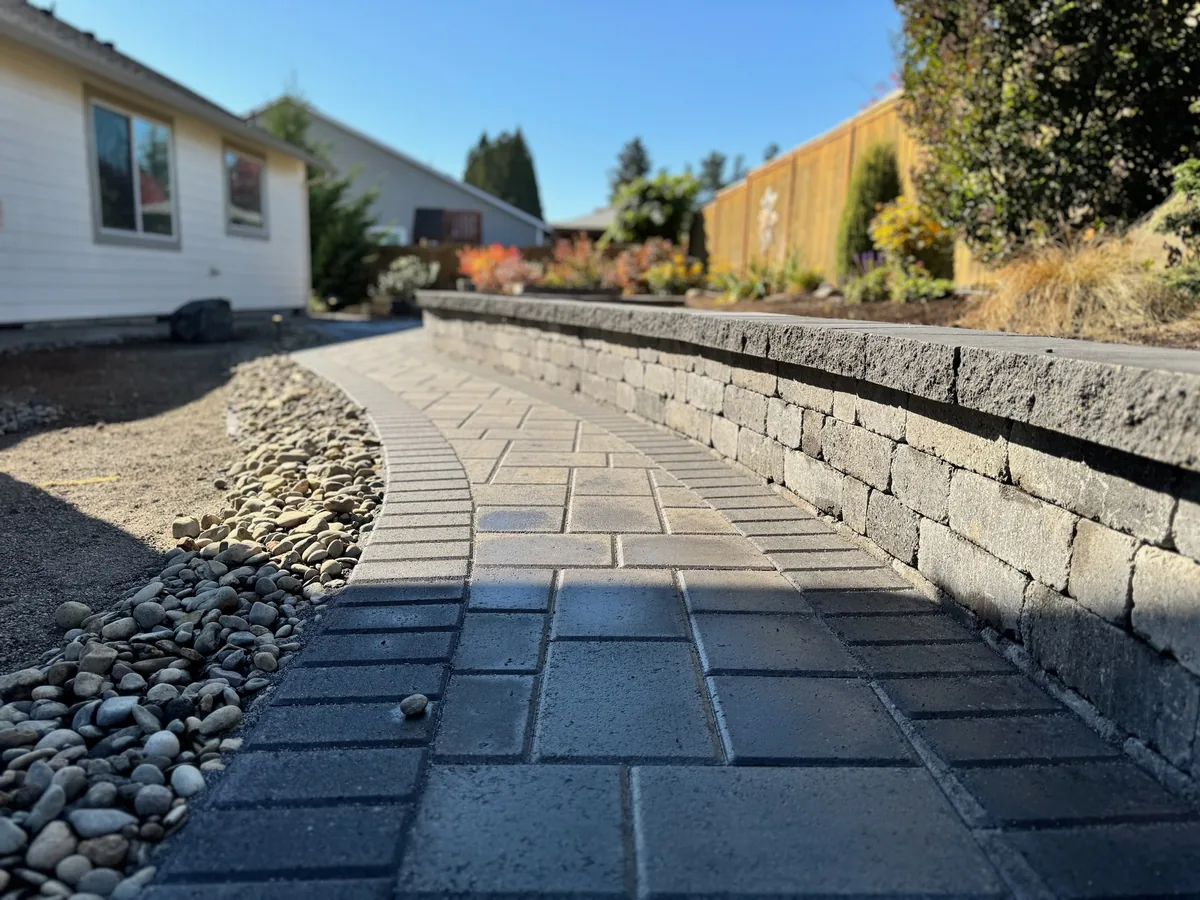
- Walkways
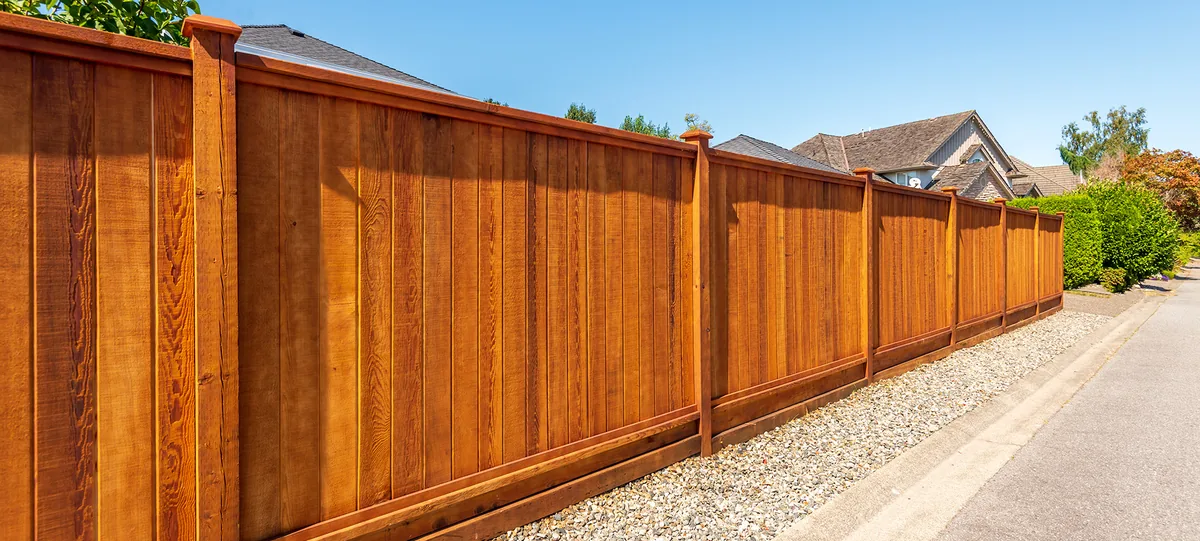
- Fencing
- Turf
- Planting beds
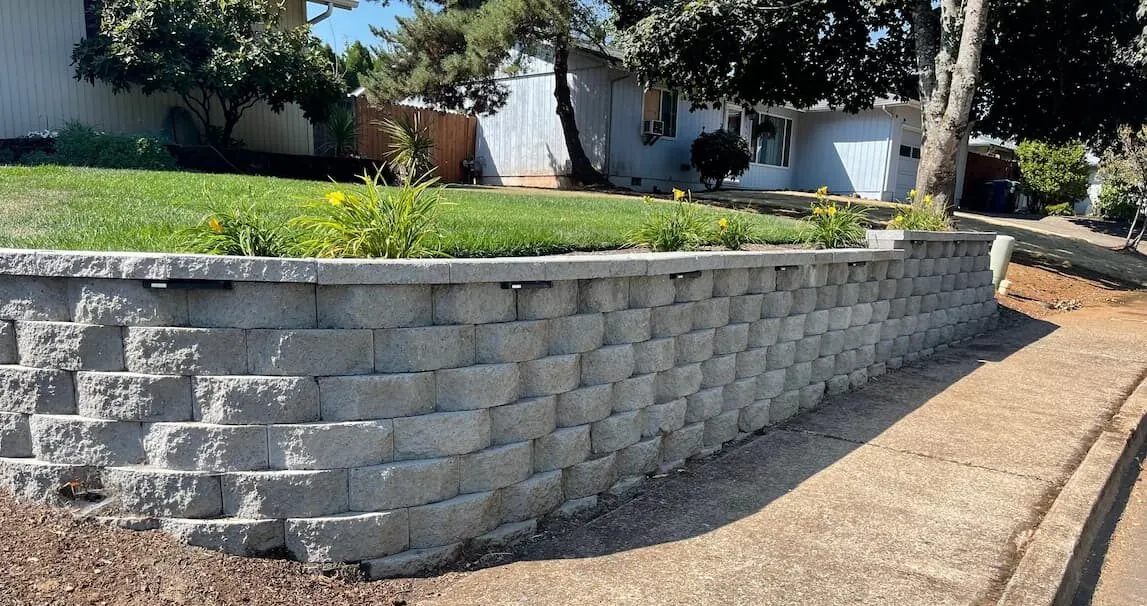
- Retaining walls
- Outdoor living areas
- Trees or shrubs
When the landscape changes, irrigation zones may need to change too.
For example, a lawn area and a planting bed should not always be watered the same way. A shaded area may need less water than a sunny area. A newly installed turf or planting section may need more careful watering while it establishes.
If your yard has changed but your irrigation system has not, it may be time to consider a system adjustment or sprinkler system upgrade.
Sprinkler Repair vs. Sprinkler System Installation
Not every irrigation issue requires a new system.
In many cases, sprinkler repair may be enough. This can include replacing broken heads, fixing leaks, adjusting nozzles, repairing valves, or correcting spray patterns.
However, sprinkler system installation or replacement may be a better option when:
- The system is very old
- Coverage is poor throughout the yard
- Repairs are becoming frequent
- The system was poorly designed
- The yard has been renovated
- New lawn or planting areas need reliable watering
- The homeowner wants better efficiency and control
A professional inspection can help determine whether repair, adjustment, or installation makes the most sense.
A Better Irrigation System Protects Your Landscape Investment
If you are planning new landscaping, turf, fencing, hardscaping, or outdoor living improvements, irrigation should be part of the conversation.
A beautiful yard is an investment. Without proper watering, new plants can struggle, lawns can become patchy, and the final result may not last as intended.
A well-planned irrigation system helps support:
- Healthier lawns
- Stronger plants
- Better curb appeal
- Lower water waste
- More consistent landscape performance
- Easier maintenance throughout summer
Whether you need sprinkler repair, irrigation system adjustment, or a new yard sprinkler system, spring is the right time to take care of it.
Schedule a Sprinkler System Check in Salem, Oregon
Before the dry season begins, make sure your irrigation system is ready to do its job.
MG Landscape & Construction helps homeowners in Salem and the Willamette Valley with sprinkler repair, irrigation system service, sprinkler system installation, lawn irrigation, and full landscape improvements.
If your lawn has dry spots, soggy areas, broken sprinkler heads, poor coverage, or an outdated system, our team can help you find the right solution.
Contact MG Landscape & Construction today to schedule your free estimate.