

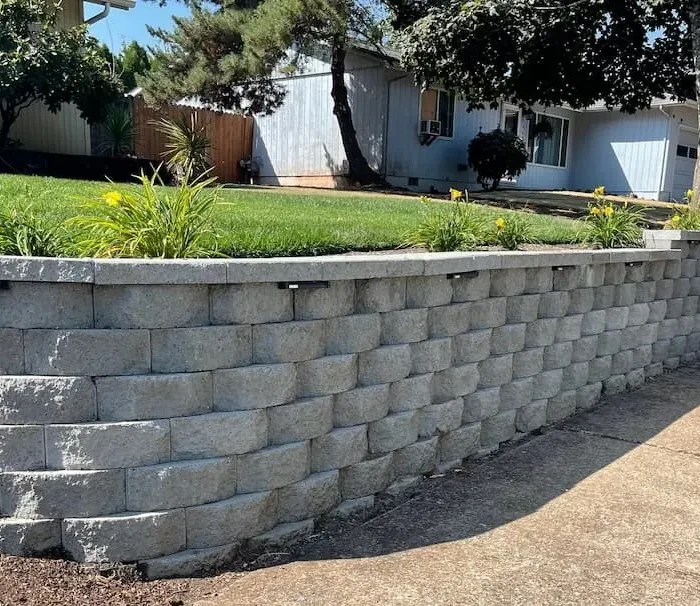
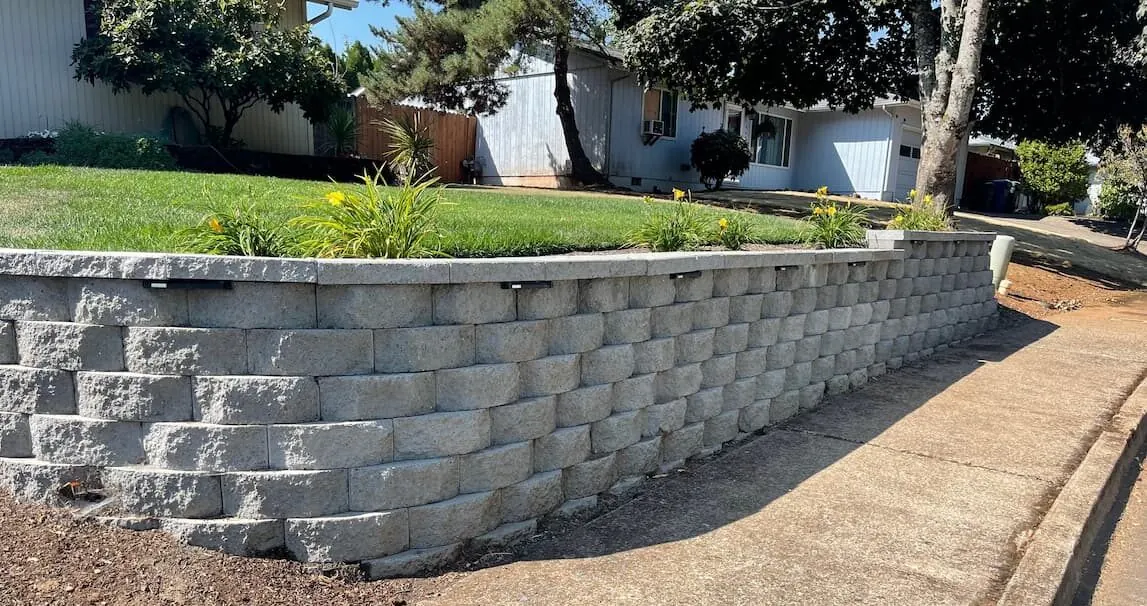
A retaining wall is easy to think of as a finished edge: the place the lawn ends, the feature beside the steps or the structure that makes a sloped yard usable. When wetter weather returns, it helps to look at the wall as part of the surrounding landscape.
Retaining wall drainage in Salem involves more than a pipe hidden behind the blocks. Water arriving from higher ground, nearby pavement and roof runoff can all matter. For an existing wall, a careful visual check can help identify questions for a professional assessment.
Look above the wall as well as at its face
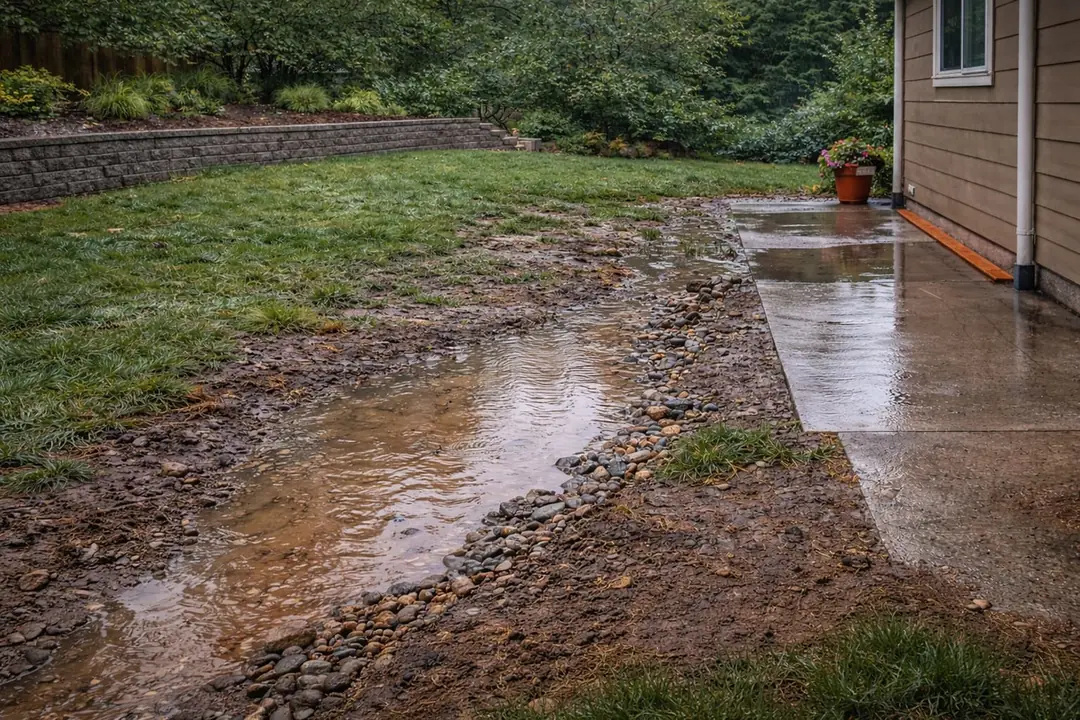
Start from a safe, accessible position and notice what sits uphill. A patio, sloped lawn, driveway or downspout may direct runoff toward the wall. Changes made elsewhere in the yard can alter that route even when the wall itself has not been touched.
Look for areas where soil has washed away, mulch has shifted or water repeatedly gathers. These observations do not establish a diagnosis, but they can help explain how the site behaves in wet weather.
A photograph taken from the same position after different rain events can be useful. Include the surrounding ground rather than only a close-up of the wall.
Pay attention to changes, not just appearance
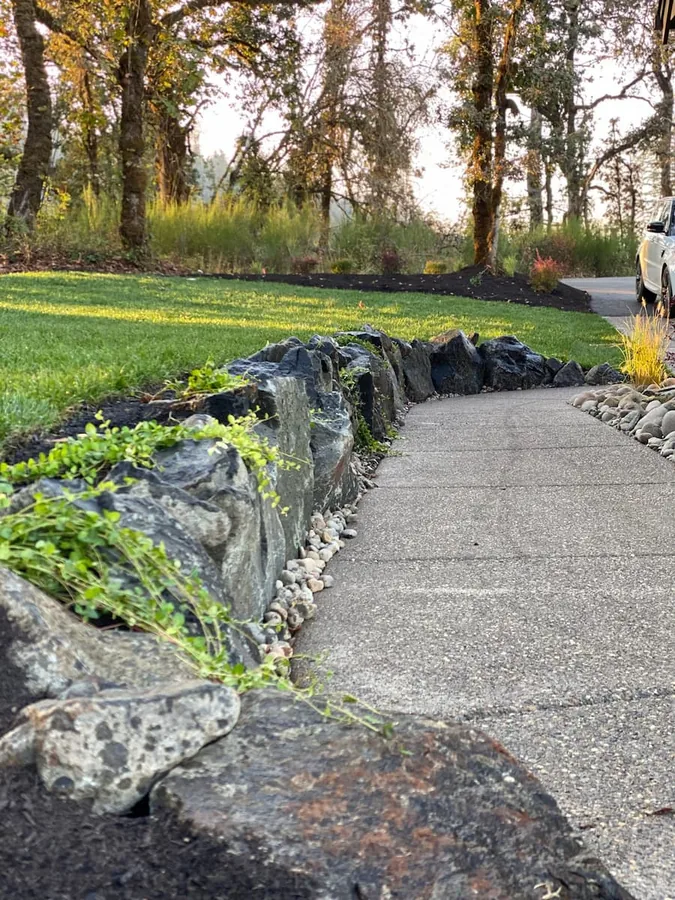
Many walls have textures and irregular shapes that are intentional. What deserves attention is a new or increasing change: a section leaning farther than before, a bulge, spreading gaps, loose units or soil escaping where it previously stayed in place.
Uneven ground beside the wall or a nearby path that has begun to settle should also be mentioned. Water may be involved, but drainage is not the only possible cause of wall movement.
If a wall appears unstable, keep people and pets clear of the area. Avoid climbing on it, pushing it back or removing soil to investigate. The right next step is an assessment of the wall and the site.
MG Landscape & Construction provides retaining wall installation and repair. Contact MG about a retaining wall concern and describe the change you have noticed.
Why a drain behind the wall is only part of the picture
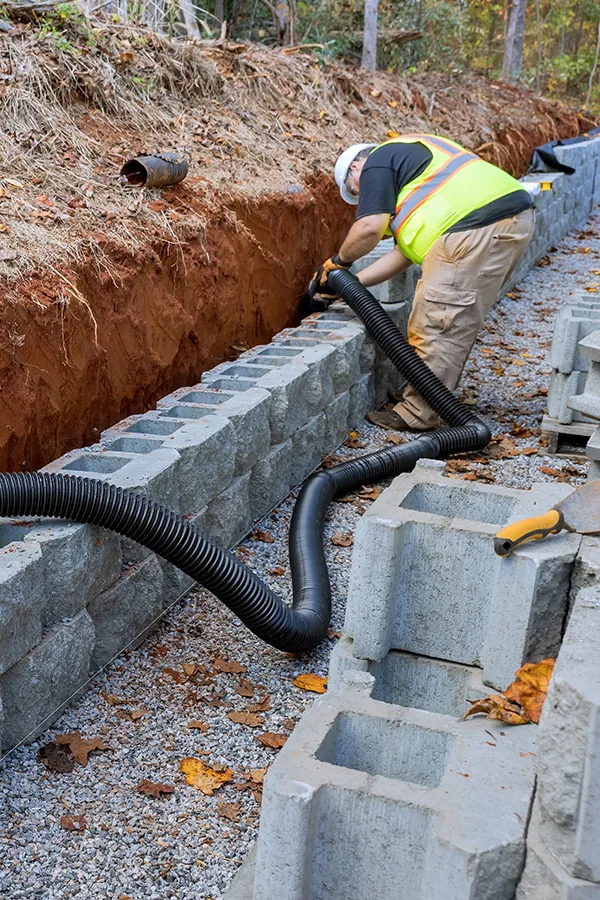
Water management must consider both incidental moisture behind the wall and larger sources of runoff arriving from elsewhere. Simply finding a drain outlet does not prove that the entire site is being handled appropriately.
In its sample retaining wall specification, Allan Block separates surface runoff management from the drainage needed within the wall system. The details must be designed for the particular site. That distinction is useful for homeowners even when a different wall product is used.
Ask whether roof water, driveway runoff or an uphill area is reaching the wall. Discuss how the proposed solution handles those sources, as well as the material and drainage behind the structure. Avoid assuming that one extra pipe will resolve every condition.
Repair planning should address the cause
A shifted cap or a localized damaged unit may call for a different scope than movement across an entire section. A contractor needs to consider the wall’s condition, the ground it retains and what is happening around it before recommending repair or replacement.
Ask for the proposed scope in plain language. What condition will the work correct? Does drainage need to be addressed? Will nearby paving or landscaping be affected? Are additional design services or approvals needed for this particular project?
A cosmetic improvement can change the appearance without resolving an underlying problem. Understanding the reason for the work helps you compare proposals more meaningfully.
For a new wall, plan the surrounding yard at the same time
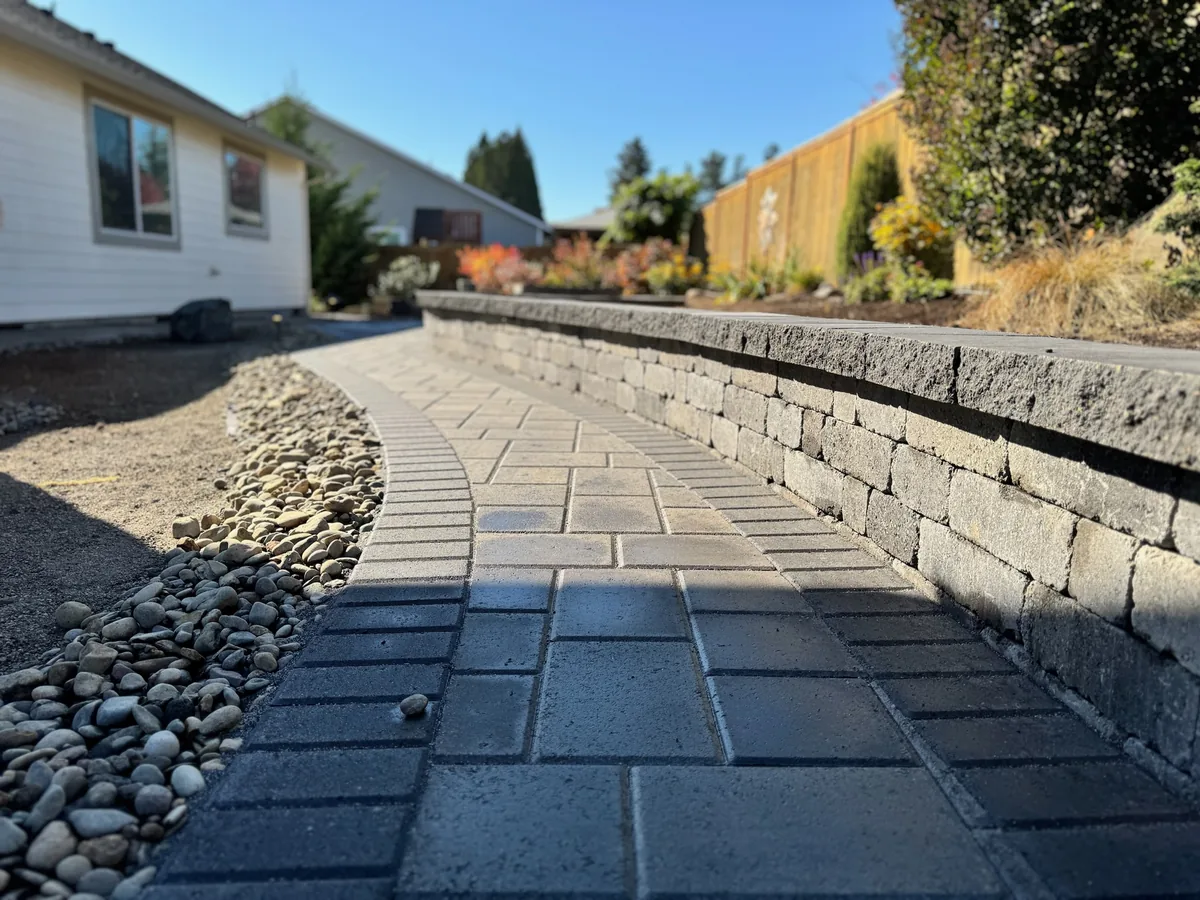
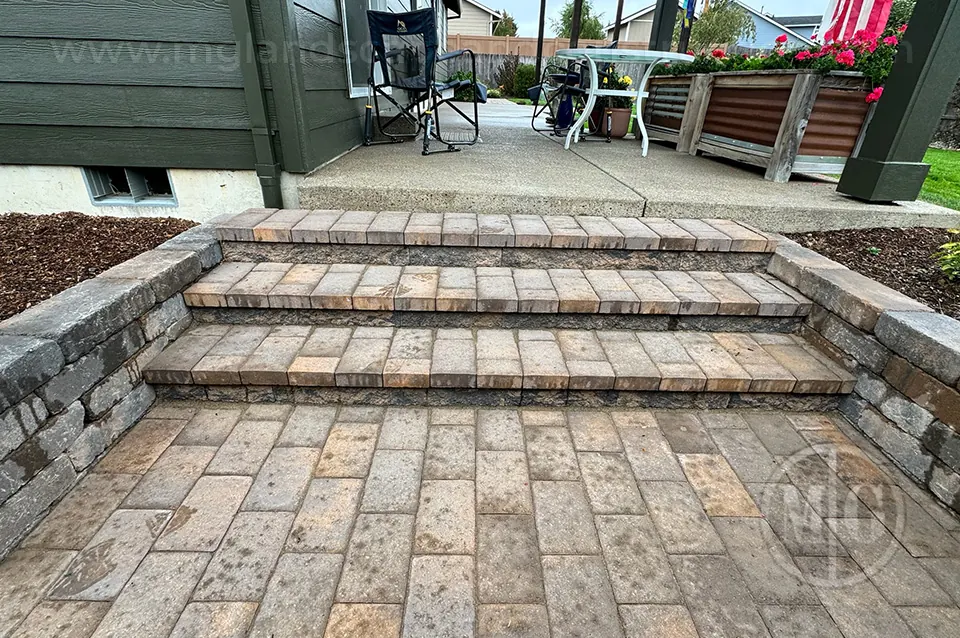
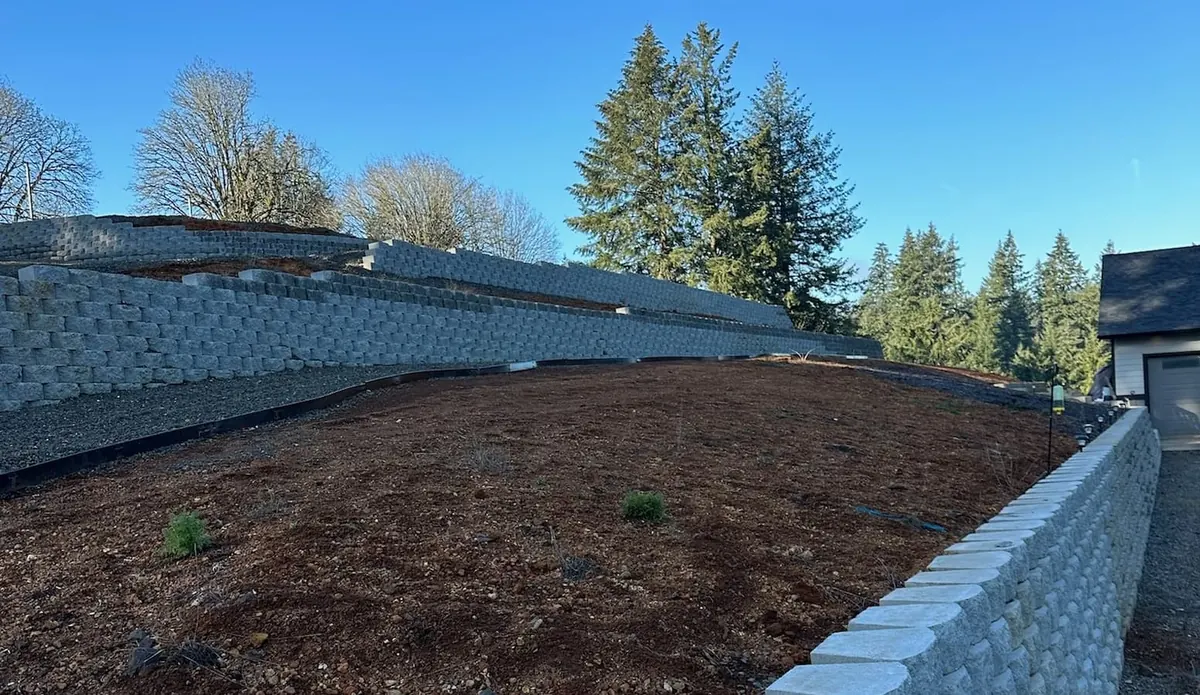
A wall that creates a level seating area can also influence the patio, stairs, planting beds and water route. Those pieces should be considered together, even if construction will happen in phases.
Share future plans during the initial discussion. A later patio extension or a different path may affect elevations and runoff. MG’s paver services and drainage solutions can be coordinated with retaining wall work when the site requires it.
Prepare for the wet season with a clear picture
You do not have to identify a structural detail or uncover a buried outlet before reaching out. Photos, the approximate location of the wall and a description of any recent changes provide a useful starting point.
As fall rain returns, take note of the water route and keep a safe distance from any area that appears unstable. A site-specific assessment can help distinguish a localized concern from a project that needs broader planning.
For retaining wall installation or repair in the Salem area, request an estimate from MG Landscape & Construction or call (503) 519-7116.